Farm State of Mind
The American Farm Bureau Farm State of Mind campaign builds awareness to reduce stigma and provides access to information and resources that promote farmer and rancher mental health wellness.
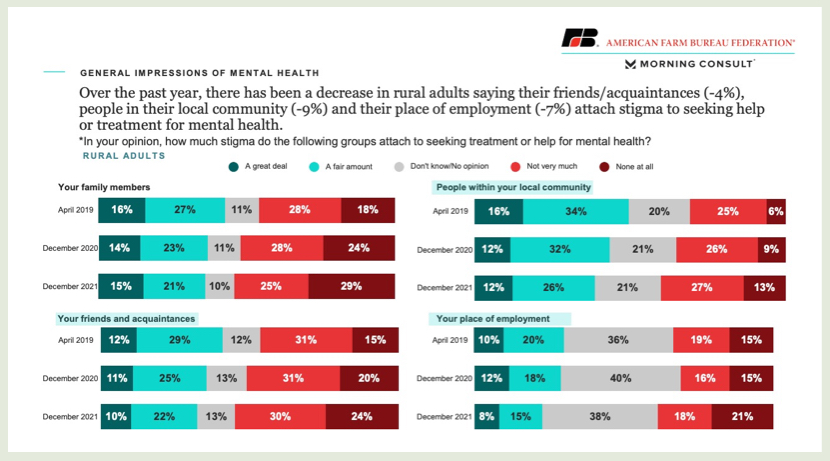
Farming is a stressful occupation that is associated with increased levels of anxiety and depression. Multiple studies show that farmer suicide rates are 2-5x higher than the national average. Experiences such as natural disasters, extreme weather events, financial uncertainty, fluctuating markets, labor shortages, trade disruptions and other factors all contribute to extreme stress for farmers and ranchers who often live in a very isolated setting. It is important to break the stigma around mental health challenges and encourage those struggling to reach out for help. To build a sustainable future for agriculture for our nation and our world, we must promote the wellbeing of our nation’s farmers and ranchers.

A healthy farm or ranch is nothing without a healthy you.
Finding Hope Together: A Farm State of Mind® Insights Series
This September, in observance of Suicide Prevention Month, we are releasing a five-part video series that offers real-world insights and showcases innovative, grassroots strategies designed to move the needle on mental well-being in rural communities. Each video features a conversation with leading rural mental health advocates who share insights on how each of us can play a role in creating stronger, healthier communities. All conversations are moderated by Lydia Johnson, a veteran farm broadcast journalist who now works as a policy communications manager at Farm Credit Council.
Anyone looking to support mental health well-being in rural America can benefit from this resource. New episodes premiere every Wednesday in September, with insights meant to inspire action year-round. Watch the first episode below and sign up to receive each video episode by email as they air.
Farm State of Mind
Finding Hope Together Series
Episode Guide
Premieres Wednesday, Sept. 2
Tune in for a candid conversation with farmers Davis Peeler (South Carolina), Steve Breeding (Delaware), and Whitney Lawson (Oklahoma) as they share firsthand experiences navigating the mental load of farming — from loss and divorce to farm disasters. This episode dives into the realities of the agricultural way of life, offering a message of hope and actionable advice for how to support farmers through difficult seasons.
Premieres Wednesday, Sept. 9
Grassroots advocates are essential to effective outreach, and many have identified tactics that are currently working in rural communities. Hear from Marshal Sewell (founder of the Mind Your Melon Foundation), Adrienne DeSutter (founder of Sow Hope, Grow Hope), and John Sachse (founder of RanchFIT coaching) as they discuss the unique programs they’ve built to improve mental well-being among farmers and ranchers. These leaders share what inspired them to "get off the fence," along with the practical insights gained along the way toward reducing stigma and creating a culture where mental health is supported proactively, rather than only at a point of crisis.
Premieres Wednesday, Sept. 16
Clinical voices are key to closing the rural health care gap and offering proactive support to farm communities. Tune in for an exploration of rural care gaps and practical approaches for overcoming barriers with Dr. Ben Locke (Togetherall), Dr. Josie Rudolphi (University of Illinois), and Dr. Tara Haskins (AgriSafe Network). These experts will discuss evidence-based programs, technology and alternative support models that serve as innovative strategies for improving care access and navigating critical situations in farming and rural communities. These insights will help the practitioner and community member alike.
Premieres Wednesday, Sept. 23
Storytelling has the power to capture people’s attention, drive a conversation around rural mental health, and ultimately break through the stigma that too often is a barrier to seeking help. Hear from Brandee Izquierdo (Pew Charitable Trusts), Chris Files (“Out of the Shadows" 2025 documentary) and Sam Goldberg (2017 film “Silo,” 2026 limited tv series “Perfect Sundays") to explore how storytelling reshapes mental health engagement in rural communities and fosters a culture of proactive support.
Premieres Wednesday, Sept. 30
Explore the critical role of industry leadership in supporting farmer and rancher well-being. Join Anne Thompson (Farm Credit Council), Jessica Cabrera (American Farm Bureau Federation) and Tim Brennan (Farm Foundation) as they discuss how agricultural stakeholders are investing in mental health wellness. This episode delivers practical insights into leveraging collective influence and industry partnerships to support farm families nationwide.
Farm State of Mind Resource Directory
Need Help? Know Someone Who Does?
If there’s a resource you’d like us to consider for this list, please email farmstateofmind@fb.org
Togetherall Online Peer-to-Peer Support
Reaching out for support is a proactive step you can take on your journey. We're all in this together and supporting each other through difficult times is what makes us stronger.
Free-of-charge access for farm families age 16+. Made possible by the Farm State of Mind Alliance.

Togetherall is an anonymous peer-to-peer online community that empowers farmers and their families to get and give support. Signing up is easy and anonymous, ensuring your privacy and confidentiality throughout your journey.
- Supportive Community: Using an anonymous profile, connect and share in a safe space with others who understand. Join the Agricultural Group!
- Immediate Access: Whatever’s on your mind, you can access Togetherall in minutes, 24/7.
- Wellbeing Tools: To better understand what you're going through, access self-help resources, or explore well-being tools like guided courses and assessments.
- External Resources: Personal wellbeing and life event support services are available through Personal Assistance Services (PAS) and accessible through Togetherall. These services include family and individual counseling provided by agriculturally competent rural mental health professionals.
Know the Warning Signs
When loved ones, neighbors or others you care about are experiencing mental health challenges, they may not even realize it. Here’s how you can identify someone who may be at risk.
Change in routines or social activities
Decline in the care of domestic animals
Increase in illness or other chronic conditions
Increase in farm accidents
Decline in appearance of the farmstead
Decreased interest in activities or events
Signs of stress in children including struggles with school
Learn more about recognizing the signs of chronic stress, depression or suicidal intent and what you can do to help at NY FarmNet.
Start the Conversation
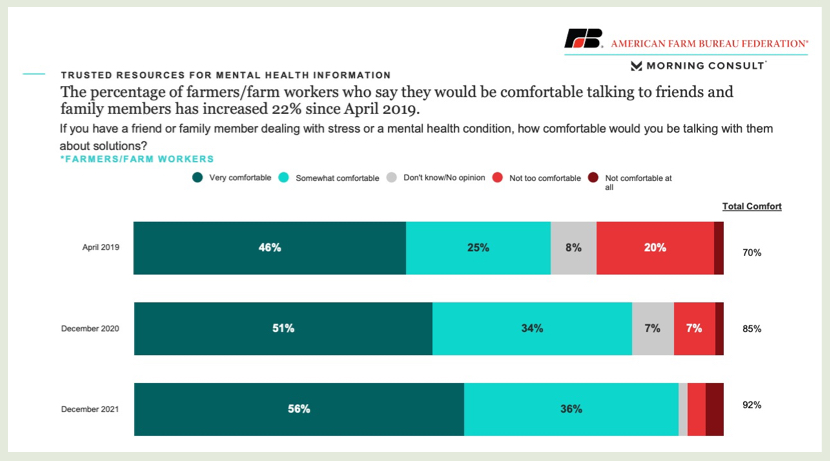
Although it may feel like it’s out of your comfort zone, you can start a conversation in any number of ways:
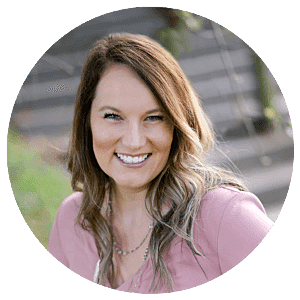
Remind Them of Something They’ve Said and Express Interest
"You mentioned no one seems to understand what you're going through. I want you to know you can talk to me."
— Adrienne DeSutter,
Illinois Farm Bureau Member
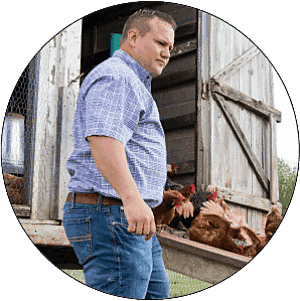
"I’ve noticed you haven't been the same lately. Are you okay? I really value you and our friendship and want you to know that I am always here for you."
— Brandon Fullenkamp,
Ohio Farm Bureau Member

Acknowledge What They’re Going Through
“Farmers think that it's a sign of weakness to ask for help. But actually, I think that it's the exact opposite because anything that is hard takes strength. Taking that hard step and reaching out is what saved me.”
— James Dixon,
Arkansas Farm Bureau Member
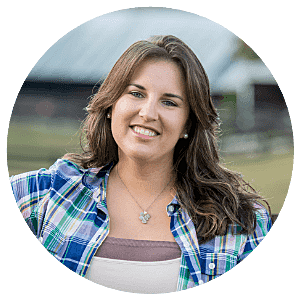
"Hey, how have you been handling all of this lately? I know it's been some tough times, can I help in any way?"
— Shelby Watson,
Maryland Farm Bureau Member
In an effort to further reduce the stigma surrounding mental health challenges, AFBF partnered with the Ad Council and Huntsman Mental Health Institute to create video and radio public service announcements featuring Florida Farm Bureau member Marshal Sewell. Marshal tells his story of addressing his mental health in a powerful way. Watch Marshal’s story.
Five Steps to Help Someone in Emotional Pain

Ask

Be there

Stay connected

Keep them safe

Help them connect
Visit the National Institute of Mental Health website for more information.
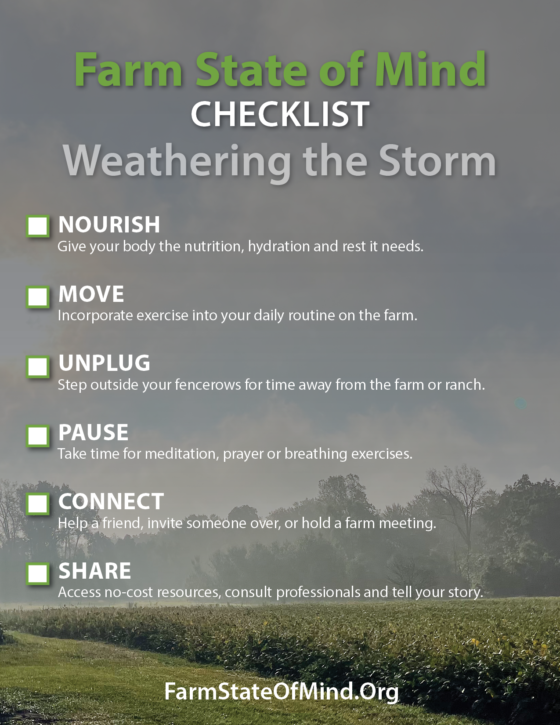
Coping with Stress and Anxiety
Connect with others
Take breaks from negative news or influences
Prioritize your health and well-being
Take time to unwind
Recognize when you need more help