Farm Bureau Analysis Details Skyrocketing Land Values
Daniel Munch
Economist
Chad Smith
Associate News Service Editor, NAFB

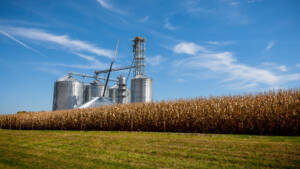
photo credit: Arkansas Farm Bureau, used with permission.
Daniel Munch
Economist
Chad Smith
Associate News Service Editor, NAFB
Farmland values hit all-time highs this year even as the rate of increase has slowed. Chad Smith has the numbers.
Smith: Farmers and ranchers have experienced firsthand the ever-increasing value of farmland, and new analysis lays those numbers out. Danny Munch, an economist with the American Farm Bureau Federation, says prices have hit record highs, despite a cooling rate of price increases.
Munch: The average value of U.S. farm real estate, which includes land and buildings, rose 3.4 percent to $4,500 per acre. Cropland values increased 3.3 percent to $6,020 an acre, and pastureland rose 4.2 percent. That pace has slowed, though, since 2020. It's a 44 percent increase since then. But in the first year, it was an 11.7 increase that went down to 3.4 percent in 2026.
Smith: Farmers and ranchers who own land will have a stronger balance sheet thanks to increased values, but there are still pros and cons to the cost of land going up.
Munch: That increases farm equity, provides additional collateral, and that it can improve access to credit. The downside is that higher values make it much more expensive to buy land, enter farming for beginning or new farmers, or expand an existing operation. Renters face a particular challenge because they pay higher costs without receiving the equity gains.
Smith: Munch notes that competing buyers for land are swallowing up some options, which could continue the upward trend in land values.
Munch: Commercial and residential development, renewable energy projects, outside investments, recreation, rural residential demand are all competing for that same land access, which is more likely to take land out of agriculture in the longer term.
Smith: For more information, go to fb.org. Chad Smith, Washington.
What We're Saying

Use of Credit Offers Snapshot Into Farm Economy
Sep 9, 2026
READ MORE 

Revised Farm Income Forecast Overshadowed by Increased Production Costs
Sep 3, 2026
READ MORE

Farm Bureau Encourages Senate Passage of Reconciliation Package Including Economic Aid
Aug 3, 2026
READ MORE
AFBF Analysis Details Concern About Available CCC Funds
Jul 30, 2026
READ MORE