USDA Confirms Smaller Corn Crop in September WASDE

Bernt Nelson
Economist
USDA's World Agricultural Supple and Demand Estimate provides a look into crop yields across farm country. Stephanie Hoff gets the latest analysis.
Hoff: The September WASDE is a major report because it marks the USDA’s first opportunity to incorporate objective yield data into its corn and soybean estimates. Today’s report focused heavily on yield projections and production figures. American Farm Bureau Economist Bernt Nelson breaks it down.
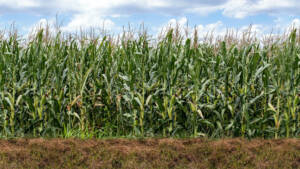
Nelson: Did USDA confirm expectations in corn? Answer to that is yes. USDA reduced the national corn yield from 180.7 to 178 and a half bushels per acre. And that brought our ending stocks down to 1.6 billion bushels. That drop in yield wasn't as low as the Pro Farmer expectations of 173 bushels per acre, but it did validate expectations that August conditions had dropped yields.
Hoff: He also explains what changed for soybeans.
Nelson: Soybeans were more supportive on the demand side. USDA increased yields very slightly, just 0.1 bushels per acre. Now that boosted production a little bit, but the bigger picture here was that they reduced ending stocks from 320 million down to 310 million bushels.
Hoff: Nelson says wheat was quiet on the domestic side.
Nelson: It's more of a global story there. The U.S. numbers were pretty well steady, but a larger crop from some of the key export areas, looking at Australia, Canada, Ukraine, these kind of pushed global ending stocks for wheat higher. The bottom line to all of this is that USDA validated trade expectations.
Hoff: He says the WASDE wasn't a major game changer, but it did help explain the unusual rally heading into harvest. Find more report analysis at fb.org/intel. Stephanie Hoff, reporting.
What We're Saying